What Does the Bible Say About Cremation?
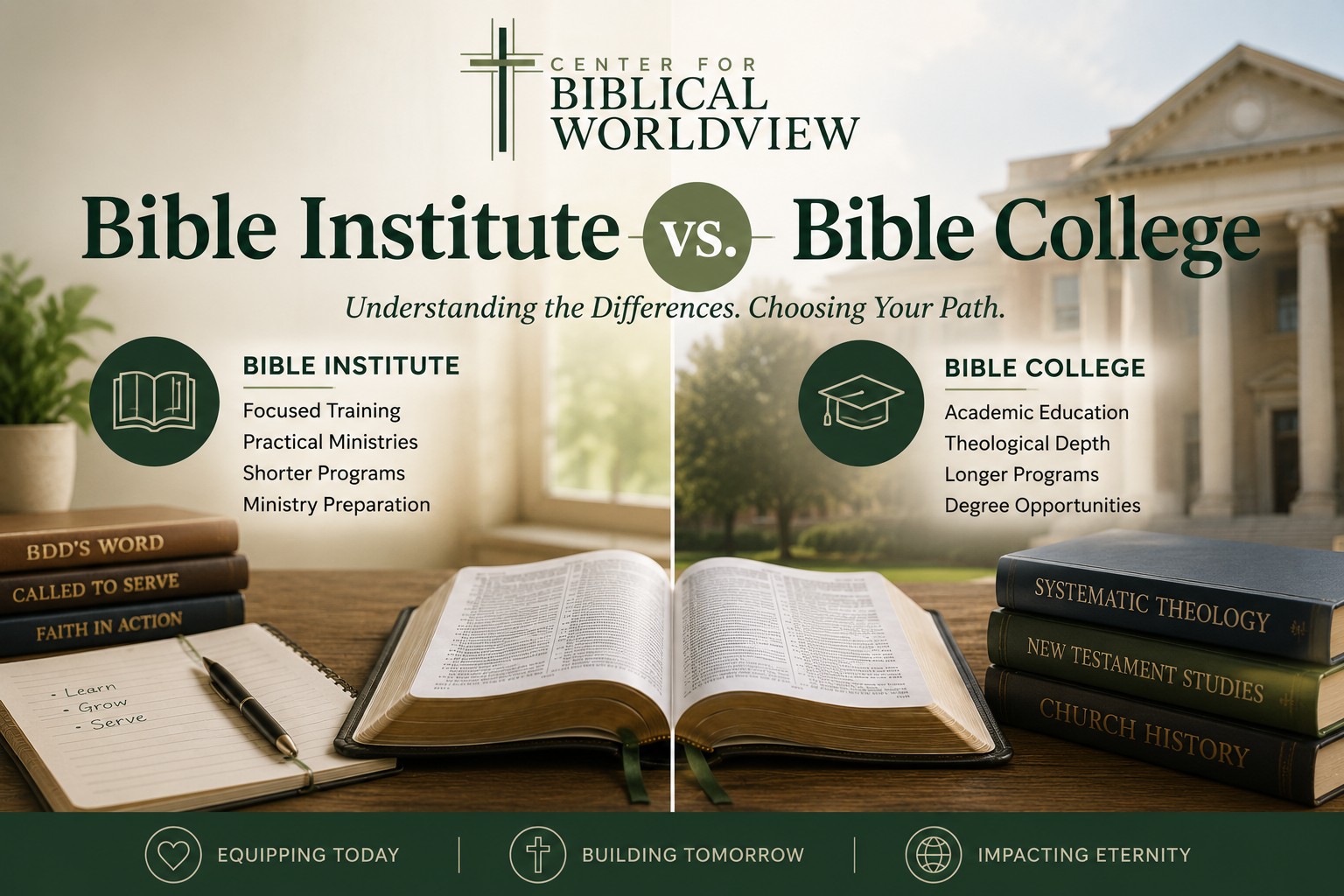
Bible Institute vs. Bible College: Which Is Right for You?
If you're looking to deepen your understanding of Scripture, prepare for ministry, or become a more effective Bible teacher, you've probably come across both
Bible institutes and
Bible colleges. While they share a common goal of equipping believers with biblical knowledge, they are designed for different audiences and learning objectives.
How Was the Bible Written?
The Bible was written under the inspiration of the Holy Spirit through human authors. Each writer brought his own personality, vocabulary, and historical perspective, yet God sovereignly guided the writing so that His message was communicated accurately.
Because Scripture was written over many centuries and in different cultural settings, understanding its historical background, literary style, and original audience helps us interpret it faithfully today.
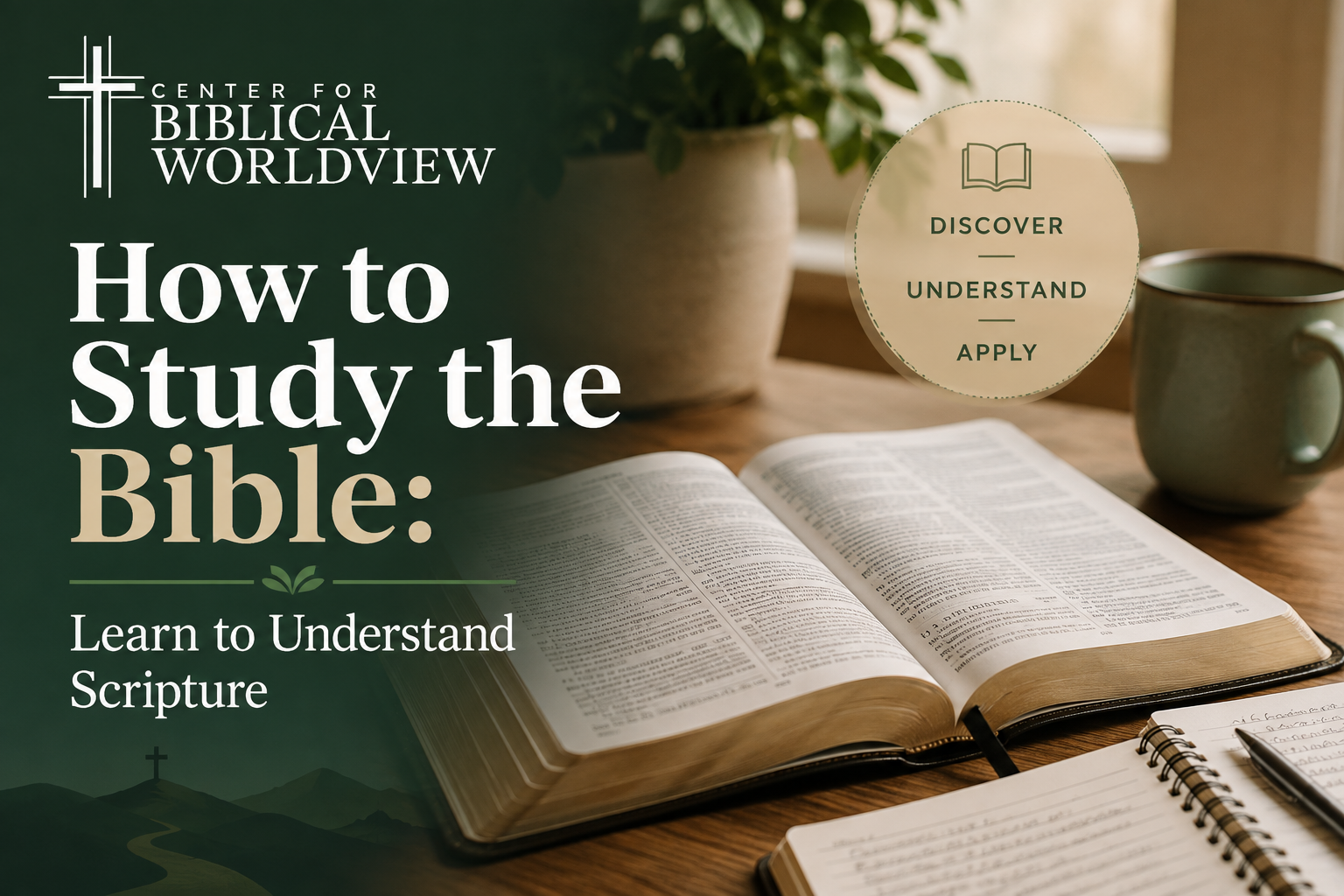
The Difference Between Reading and Studying the Bible
Reading the Bible and studying the Bible are both valuable, but they serve different purposes.
Reading helps you become familiar with Scripture and develop consistency.
Studying helps you understand what the passage actually means, why it was written, and how it applies to your life.
Bible study involves asking thoughtful questions, comparing passages, considering context, and carefully interpreting God's Word rather than simply reading through it quickly.
Helpful Tools for Bible Study
As you grow, several tools can make your study more effective:
- A quality study Bible
- Bible dictionaries
- Bible maps
- Concordances
- Original language resources
- Bible software
- Trusted commentaries
These resources provide historical background, explain difficult passages, and help connect themes throughout Scripture.
Take the Next Step in Understanding Scripture
Studying the Bible isn't reserved for pastors or theologians. Every believer is called to know God's Word, grow in spiritual maturity, and faithfully apply biblical truth.
If you're ready to deepen your understanding of Scripture and gain confidence in studying and teaching the Bible, explore
the courses offered through the
Redeemer Bible Institute. You'll receive biblically grounded instruction, practical training, and a clear framework for interpreting God's Word with confidence.
Discover how the Redeemer Bible Institute can help you grow in biblical knowledge, strengthen your faith, and equip you for a lifetime of ministry.
Why Structured Bible Training Makes Learning Easier
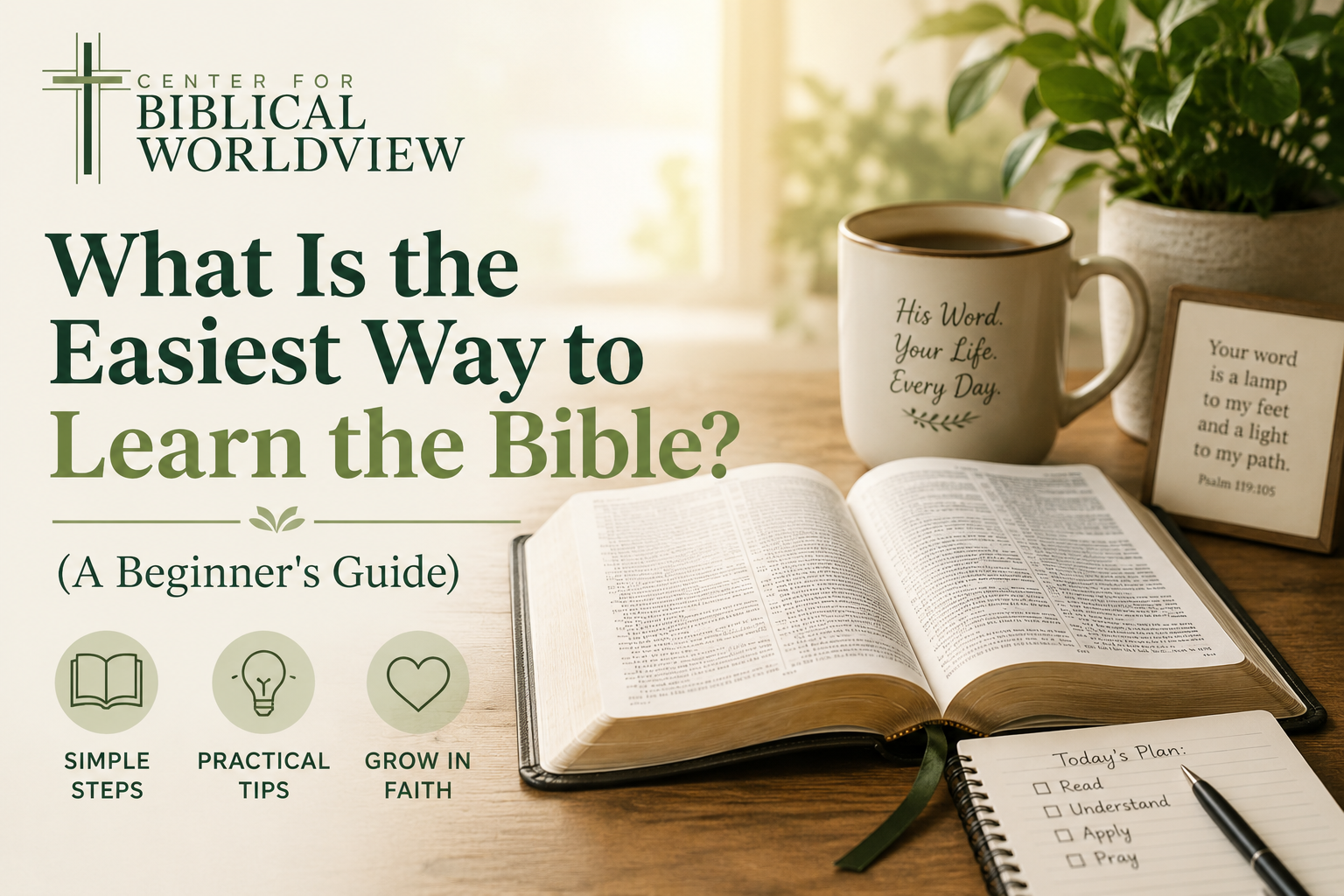
Many Christians try to learn the Bible on their own, but having a clear roadmap makes the process much easier.
A structured Bible training program walks you through Scripture in a logical order, helping you build knowledge one step at a time.
Rather than jumping randomly between topics, you'll develop a comprehensive understanding of God's Word.
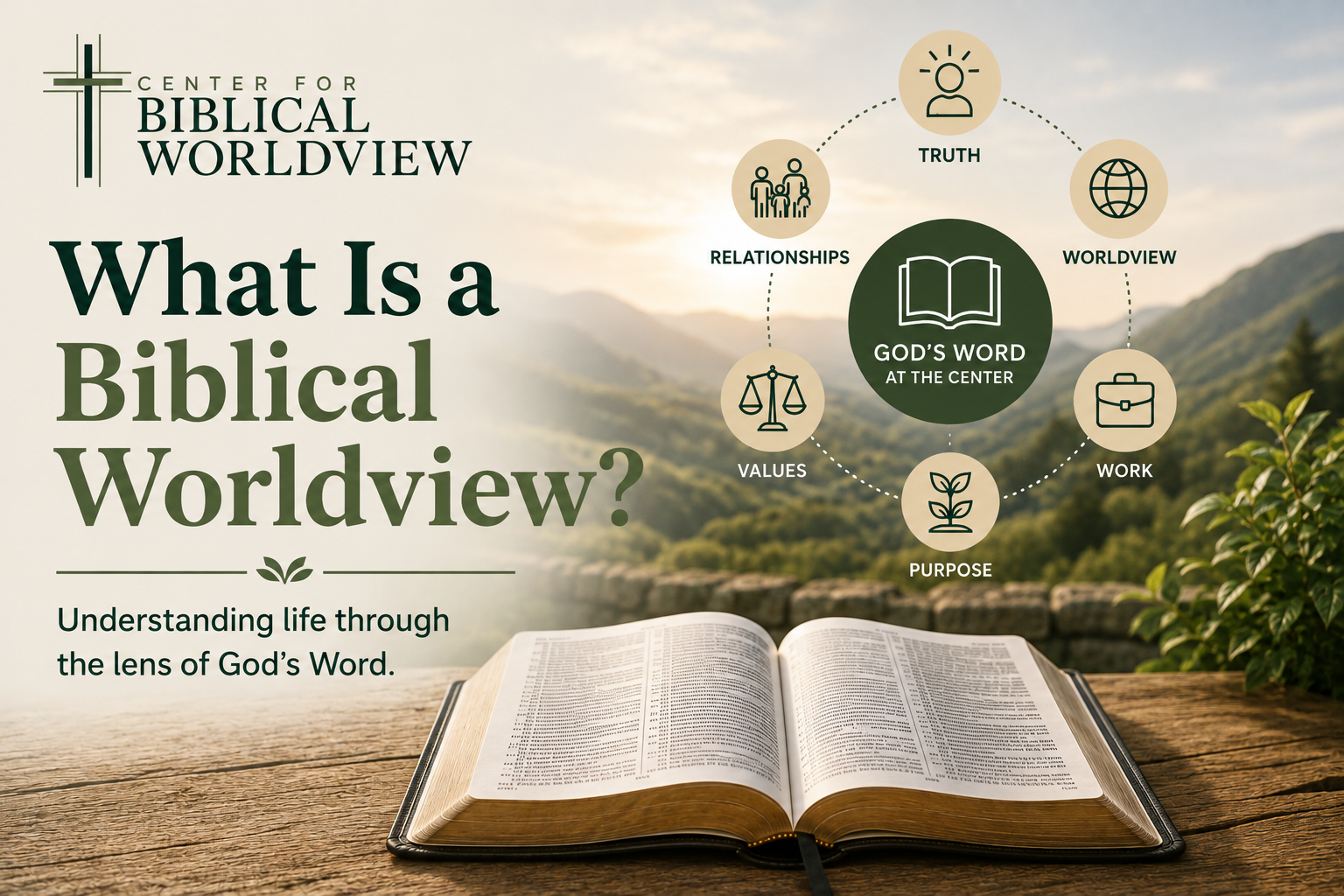
What Is a Biblical Worldview?
A biblical worldview is a framework for understanding reality based on the teachings of the Bible. Rather than asking, "What feels right?" or "What does culture say?" a believer with a biblical worldview asks,
"What does God's Word say?"
The Bible answers life's biggest questions:
- Who is God?
- Why were we created?
- What is truth?
- Why does evil exist?
- How should we live?
- What happens after death?
Instead of creating our own truth, a biblical worldview recognizes that God is the source of truth and that His Word provides the standard for faith, morality, and daily living.
As Christians grow in their understanding of Scripture, their worldview begins to reflect God's perspective rather than the world's.
How Churches Can Equip Members with a Biblical Worldview
Helping believers develop a biblical worldview is one of the Church's most important responsibilities.
Churches can strengthen their members by:
Prioritizing Biblical Teaching
Expository preaching and faithful Bible teaching help believers understand Scripture in context and apply it correctly.
Encouraging Systematic Bible Study
Studying the Bible book by book and learning core doctrines gives believers a stronger theological foundation.
Training Future Leaders
Churches need pastors, teachers, elders, and ministry leaders who understand Scripture and can faithfully communicate biblical truth.
Providing Discipleship Opportunities
Small groups, Bible studies, mentoring relationships, and structured training all help believers mature in their faith.
Addressing Today's Cultural Questions
Churches should equip believers to think biblically about current issues such as identity, marriage, family, ethics, technology, and culture by applying timeless biblical principles.
When churches intentionally develop biblical literacy, they prepare believers to stand firm in an increasingly secular world.
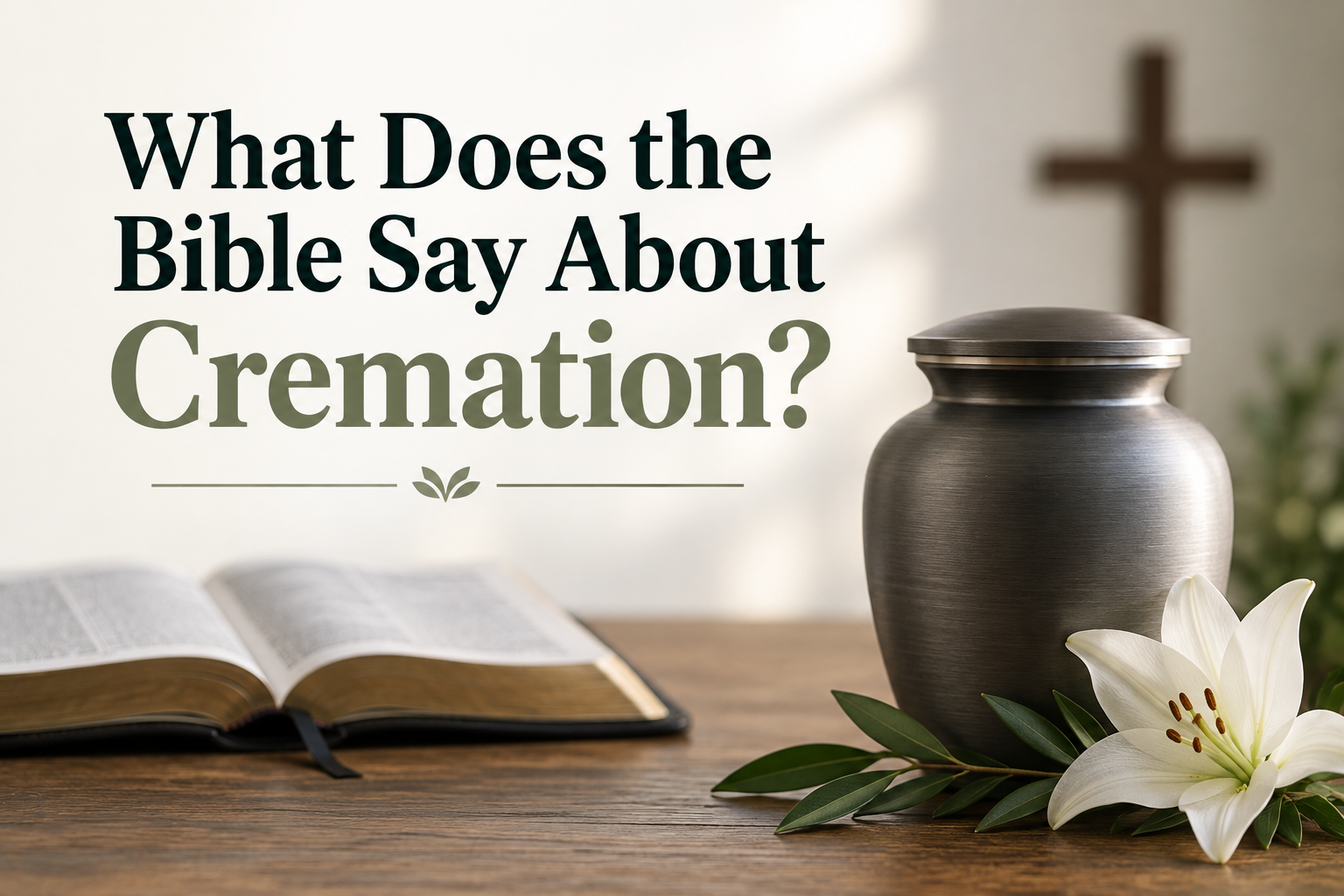
What Does the Bible Say About Cremation?
When a loved one dies—or when we begin thinking about our own end-of-life wishes—many Christians wonder whether burial or cremation is the more biblical choice. Does the Bible say anything about cremation? Is cremation a sin? Should Christians be buried instead?
The Bible does not give Christians a direct command requiring burial or forbidding cremation. Scripture places far greater emphasis on how we live, the hope we have in Christ, and the resurrection that awaits believers than on what happens to our physical bodies after death.
Understanding what Scripture does—and does not—say can help Christians make this decision with wisdom and confidence.
Does the Bible Forbid Cremation?
There is no passage in Scripture that says, “You shall not be cremated.” Nor does the Bible teach that cremation prevents someone from being resurrected or affects a person's eternal destiny.
Burial was certainly the normal practice among God's people in the Bible. Abraham buried Sarah (Genesis 23:19). Joseph's body was embalmed and eventually carried out of Egypt (Genesis 50:25–26; Exodus 13:19). Jesus Himself was placed in a tomb following His crucifixion (Matthew 27:57–60).
These examples demonstrate the importance biblical cultures placed on treating the dead with dignity. However, a description of burial as the common practice is not necessarily a command that every Christian must be buried.
Scripture does not establish burial as a requirement for salvation or resurrection.
Is Cremation a Sin?
Because Scripture does not prohibit cremation, we should be cautious about calling something sinful that God has not called sinful.
Romans 14 gives Christians an important principle for matters where Scripture does not provide a direct command:
“Each one should be fully convinced in his own mind.” — Romans 14:5
The immediate context is not cremation, but the principle is helpful. Christians should seek to honor God, understand biblical truth, exercise wisdom, and act with a clear conscience.
For one family, traditional burial may best express their convictions about the dignity of the body and the hope of resurrection. Another Christian may choose cremation because of cost, family circumstances, personal preference, or practical considerations.
Neither choice determines a person's standing before God.
What About Cremation in the Bible?
The Bible does mention bodies being burned, although these passages should be interpreted within their specific contexts.
For example, after King Saul and his sons died in battle, the men of Jabesh-gilead recovered their bodies:
“They took their bones and buried them under the tamarisk tree in Jabesh and fasted seven days.” — 1 Samuel 31:13
The preceding verse explains that their bodies had first been burned. This was an unusual circumstance following their mistreatment by the Philistines, rather than a command establishing cremation as either right or wrong.
Other biblical passages associate burning with judgment, but that does not mean modern cremation itself represents God's judgment. Context matters. We should not take descriptions of particular events in Scripture and turn them into universal commands that the Bible itself does not make.
Burial Has Important Biblical Symbolism
Although the Bible does not require burial, Christians should understand why burial has historically held significant meaning.
Paul uses the imagery of a seed being sown into the ground when explaining the resurrection:
“What is sown is perishable; what is raised is imperishable.” — 1 Corinthians 15:42
Burial can beautifully symbolize the Christian hope that physical death is not the end.
Paul continues:
“It is sown in dishonor; it is raised in glory. It is sown in weakness; it is raised in power.” — 1 Corinthians 15:43
For Christians, the grave is not the final destination.
But this symbolism does not mean that God requires an intact buried body in order to resurrect someone.
Can God Resurrect Someone Who Has Been Cremated?
Absolutely.
The Christian doctrine of resurrection does not depend upon the preservation of the physical body after death.
Human bodies naturally return to the elements from which they came. Ecclesiastes 12:7 describes death by saying:
“The dust returns to the earth as it was, and the spirit returns to God who gave it.”
Whether a body decomposes gradually through burial or rapidly through cremation does not limit the power of God.
Scripture tells us:
“For the trumpet will sound, and the dead will be raised imperishable, and we shall be changed.” — 1 Corinthians 15:52
Christians throughout history have died in fires, wars, shipwrecks, disasters, and countless other circumstances in which their physical remains could not be preserved. None of this places them beyond God's ability to raise the dead.
The God who created humanity from the dust of the earth is fully capable of resurrection.
What Happens to the Christian's Body at the Resurrection?
Christianity does not ultimately teach that believers escape their physical bodies and exist forever only as spirits.
Scripture promises a bodily resurrection.
Philippians 3:20–21 says:
“Our citizenship is in heaven, and from it we await a Savior, the Lord Jesus Christ, who will transform our lowly body to be like his glorious body.”
Our present bodies are mortal and temporary. The resurrection body will be transformed.
This is why Paul's teaching in 1 Corinthians 15 is so important. He writes:
“For this perishable body must put on the imperishable, and this mortal body must put on immortality.” — 1 Corinthians 15:53
The Christian's hope is therefore not based on preserving every physical part of our present body. Our hope rests in the power and promise of God.
Should Christians Choose Burial Instead of Cremation?
Scripture gives us freedom here, but that does not mean the decision is meaningless.
Christians considering cremation or burial might ask:
Does this decision honor God?
Does it treat the human body with dignity?
What does it communicate about our belief in the resurrection?
Are there family, financial, cultural, or practical considerations we should weigh?
Can I make this decision with a clear conscience before God?
The human body matters in Christianity.
Genesis teaches that human beings were created in God's image (Genesis 1:27), and the New Testament teaches Christians to honor God with their bodies (1 Corinthians 6:19–20).
Therefore, whether we choose burial or cremation, the body of someone who has died should be treated respectfully.
Cremation Does Not Determine Where You Spend Eternity
Perhaps the most important distinction is that the method used to care for someone's body after death has nothing to do with whether that person receives eternal life.
Salvation comes through Jesus Christ.
Jesus said:
“I am the resurrection and the life. Whoever believes in me, though he die, yet shall he live.” — John 11:25
Our eternal hope is not found in a cemetery, a casket, an urn, or a funeral tradition.
It is found in Christ.
Romans 10:9 tells us:
“If you confess with your mouth that Jesus is Lord and believe in your heart that God raised him from the dead, you will be saved.”
The central question for Christians is therefore not simply, “What will happen to my body when I die?”
It is,
“Have I placed my faith in Jesus Christ?”
A Biblical Worldview of Death
Our culture often tries to avoid thinking about death. A biblical worldview allows Christians to face it differently.
Death is real. It is painful. Scripture calls death an enemy (1 Corinthians 15:26).
But death does not have the final word.
Because Jesus Christ died and rose again, Christians can grieve while still having hope. Paul writes:
“We do not want you to be uninformed, brothers, about those who are asleep, that you may not grieve as others do who have no hope.” — 1 Thessalonians 4:13
Whether a Christian chooses burial or cremation, our confidence remains the same:
Jesus Christ has conquered death, and those who belong to Him have the promise of resurrection.
So, What Does the Bible Say About Cremation?
The Bible does not command Christians to be buried, nor does it prohibit cremation.
Burial has deep biblical and Christian significance and can provide a meaningful picture of our hope in the resurrection. At the same time, choosing cremation does not prevent resurrection, affect salvation, or place someone outside the promises of God.
Christians can thoughtfully consider the options, respect differing convictions, and make the decision in a way that honors God.
Ultimately, Scripture points us beyond the method by which our earthly bodies are laid to rest and toward a much greater promise:
“Death is swallowed up in victory.” — 1 Corinthians 15:54
For the Christian, that is where our hope rests.
Take the Next Step in Understanding Scripture
If you're ready to deepen your understanding of Scripture and grow in your ability to apply biblical truth to everyday life, explore the courses offered through the Redeemer Bible Institute. You'll receive biblically grounded instruction, practical training, and a clear framework for understanding God's Word and living faithfully according to its truth.
Discover how the Redeemer Bible Institute can help you grow in biblical knowledge, strengthen your faith, and equip you for a lifetime of ministry.
Frequently Asked Questions About Cremation and the Bible
Is cremation a sin according to the Bible?
No. The Bible does not specifically prohibit cremation or describe it as a sin. Burial was the common practice among God's people in Scripture, but there is no biblical command requiring Christians to be buried. Christians can prayerfully choose burial or cremation while seeking to honor God and treat the body with dignity.
Can Christians be cremated?
Yes. Christians may choose cremation. Scripture does not teach that cremation affects a person's salvation, relationship with God, or future resurrection. Salvation comes through faith in Jesus Christ, not through what happens to our physical bodies after death.
Does the Bible say Christians must be buried?
No. Although burial is frequently described in the Bible and carries meaningful symbolism for Christians, Scripture does not command all believers to be buried. Abraham buried Sarah (Genesis 23:19), and Jesus was placed in a tomb (Matthew 27:57–60), but these passages describe burial rather than establish it as a requirement.
Can God resurrect a cremated body?
Yes. Cremation does not limit God's power to resurrect the dead. Scripture teaches that believers will be raised and transformed at the resurrection (1 Corinthians 15:42–53). Whether a body has been buried, cremated, or lost through other circumstances does not prevent God from fulfilling His promise.
Does cremation affect whether someone goes to heaven?
No. A person's eternal destination is not determined by whether the body is buried or cremated. Jesus said, “I am the resurrection and the life. Whoever believes in me, though he die, yet shall he live” (John 11:25). Salvation is found in Jesus Christ, not in a particular funeral practice.
Why do many Christians prefer burial?
Many Christians choose burial because of its long history in Scripture and its symbolism of resurrection. Paul compares the death and resurrection of the body to something being sown and later raised (1 Corinthians 15:42–44). For some believers, burial provides a meaningful way to express their confidence in the future resurrection.
What should Christians consider when deciding between burial and cremation?
Christians should approach the decision prayerfully and with biblical wisdom. Consider whether the choice honors God, treats the body respectfully, reflects your convictions, and appropriately considers your family's circumstances. Because Scripture does not directly command one method over the other, Christians should also extend grace to believers who make a different choice.
Recent Posts