How to Study the Bible: Learn to Understand Scripture
Learning how to study the Bible is one of the most rewarding investments you can make in your faith. While many Christians faithfully read Scripture, studying the Bible helps you move beyond simply reading words on a page to understanding God's message, applying His truth, and growing in your relationship with Him.
Whether you're a new believer or have been following Christ for years, learning how the Bible was written and how to interpret it correctly can give you greater confidence as you read God's Word.
Why Is It Important to Study the Bible?
The Bible is more than a collection of inspiring stories. It is God's revelation of Himself, His plan of redemption, and His instructions for how we are to live.
Studying Scripture helps you:
- Develop a deeper relationship with God.
- Understand the historical and cultural background of the Bible.
- Recognize the overarching story of redemption from Genesis to Revelation.
- Grow in wisdom and spiritual maturity.
- Confidently explain and teach biblical truth to others.
- Apply God's Word to everyday life.
As the Apostle Paul wrote:
"Be diligent to present yourself approved to God, a worker who does not need to be ashamed, correctly teaching the word of truth."
— 2 Timothy 2:15 (CSB)
What Is the Bible?
Before learning how to study the Bible, it helps to understand what it is.
The Bible is made up of
66 books written by approximately
40 different human authors over a period of about
1,500 years. Although written by kings, prophets, fishermen, physicians, shepherds, and apostles, Scripture tells one unified story—God's plan to redeem humanity through Jesus Christ.
The Bible is divided into two main sections:
The Old Testament
The Old Testament contains 39 books that tell the story of creation, God's covenant with Israel, the Law, the prophets, poetry, and God's promises of a coming Messiah.
The New Testament
The New Testament contains 27 books that focus on the life, death, resurrection, and teachings of Jesus Christ, the growth of the early church, and God's future promises.
Together, the Old and New Testaments reveal God's consistent character and His unfolding plan of salvation.
How Was the Bible Written?
The Bible was written under the inspiration of the Holy Spirit through human authors. Each writer brought his own personality, vocabulary, and historical perspective, yet God sovereignly guided the writing so that His message was communicated accurately.
Because Scripture was written over many centuries and in different cultural settings, understanding its historical background, literary style, and original audience helps us interpret it faithfully today.
The Difference Between Reading and Studying the Bible
Reading the Bible and studying the Bible are both valuable, but they serve different purposes.
Reading helps you become familiar with Scripture and develop consistency.
Studying helps you understand what the passage actually means, why it was written, and how it applies to your life.
Bible study involves asking thoughtful questions, comparing passages, considering context, and carefully interpreting God's Word rather than simply reading through it quickly.
Five Steps to Studying the Bible
1. Begin with Prayer
Ask God for wisdom and understanding before opening His Word. The Holy Spirit helps believers understand and apply Scripture.
2. Read the Passage Carefully
Read the passage several times. Notice repeated words, important themes, commands, promises, and questions.
Avoid rushing. Slow reading often reveals details that are easy to miss.
3. Study the Context
One of the most important principles of Bible interpretation is context.
Ask questions such as:
- Who wrote this book?
- Who was the original audience?
- What was happening historically?
- What comes before and after this passage?
- Why was this written?
Understanding the context protects us from taking verses out of context or assigning meanings the author never intended.
4. Interpret Scripture Carefully
Rather than asking, "What does this verse mean to me?" first ask:
"What did the author intend to communicate?"
Good Bible study seeks the original meaning before applying it personally.
Pay attention to:
- Historical background
- Literary genre
- Grammar
- Cross references
- The overall message of Scripture
5. Apply God's Word
Bible study should lead to life change.
Ask yourself:
- What does this teach me about God?
- What does it reveal about people?
- Is there a command to obey?
- Is there a promise to trust?
- How should this change the way I live?
Knowledge without application produces little spiritual growth. God's Word is meant to transform our hearts as well as inform our minds.
Helpful Tools for Bible Study
As you grow, several tools can make your study more effective:
- A quality study Bible
- Bible dictionaries
- Bible maps
- Concordances
- Original language resources
- Bible software
- Trusted commentaries
These resources provide historical background, explain difficult passages, and help connect themes throughout Scripture.
Why Learning Biblical Interpretation Matters
Many misunderstandings about Christianity come from taking verses out of context or misunderstanding the purpose of a passage.
Learning sound principles of biblical interpretation helps you:
- Understand difficult passages.
- Recognize false teaching.
- Study with greater confidence.
- Teach others accurately.
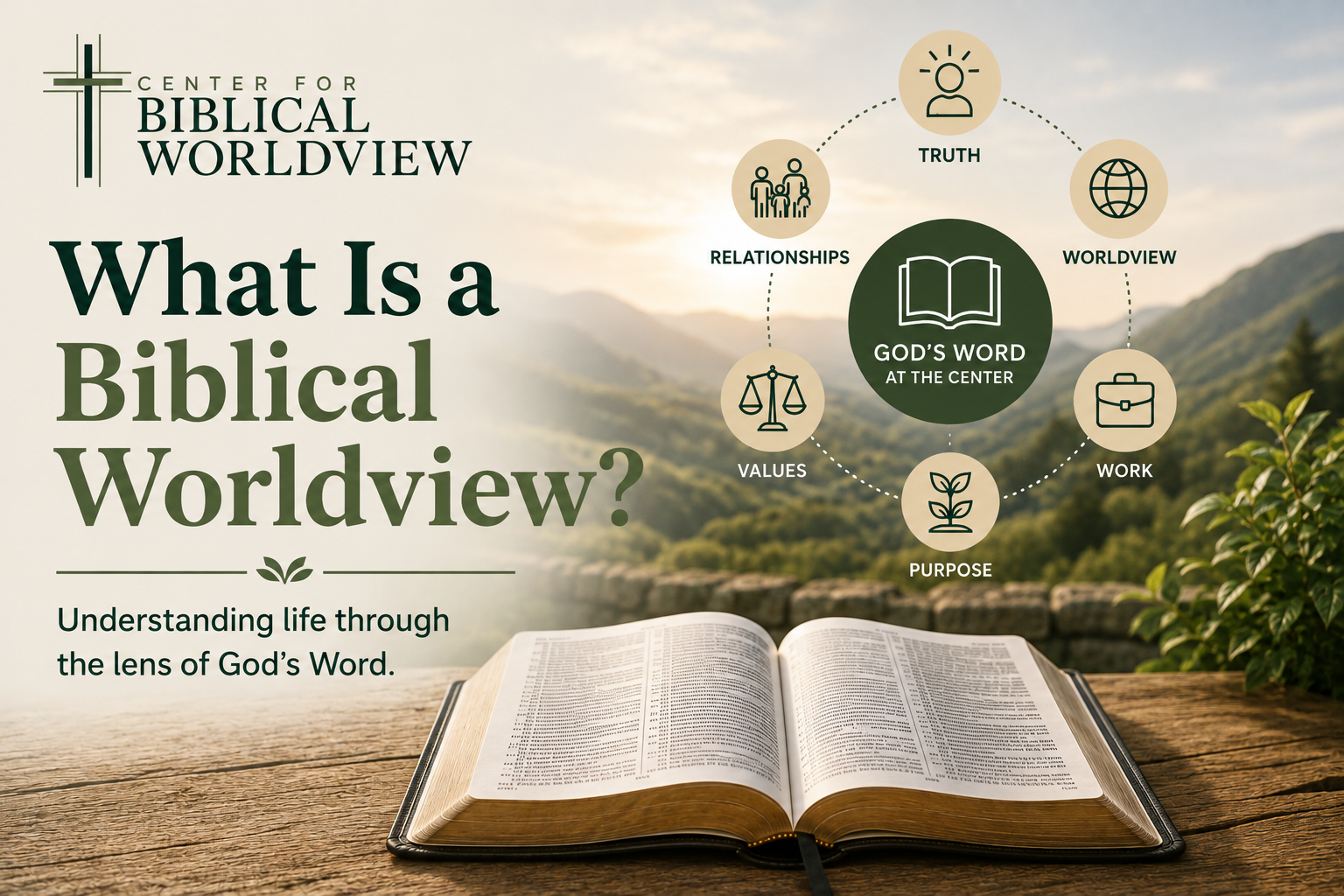
- Build a solid biblical worldview.
Instead of relying solely on someone else's interpretation, you'll develop the skills to study Scripture for yourself while remaining faithful to its original meaning.
Grow Deeper Through Structured Bible Training
Many Christians want to understand the Bible more deeply but aren't sure where to begin. A structured Bible training program provides guidance, accountability, and a systematic approach to learning Scripture.
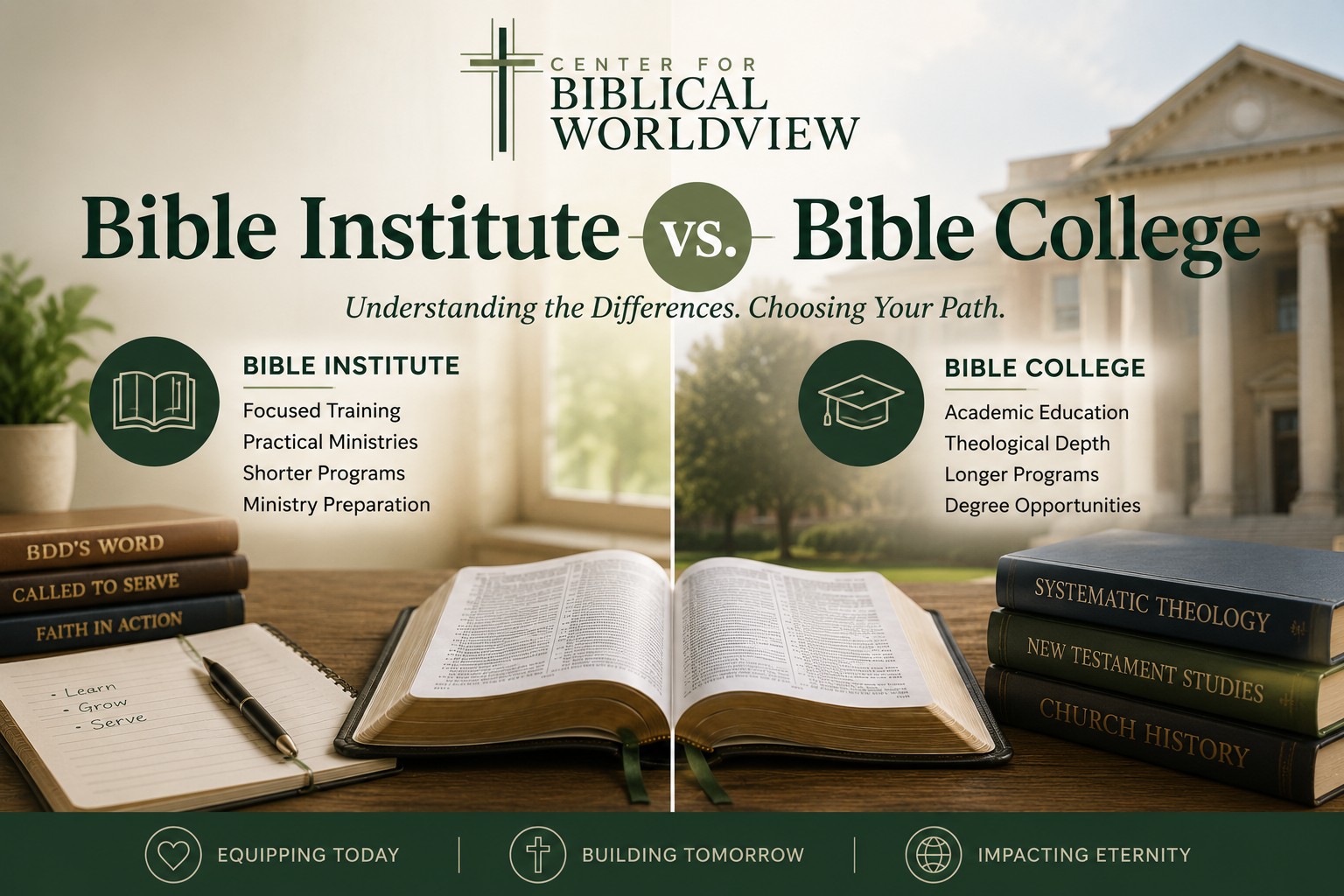
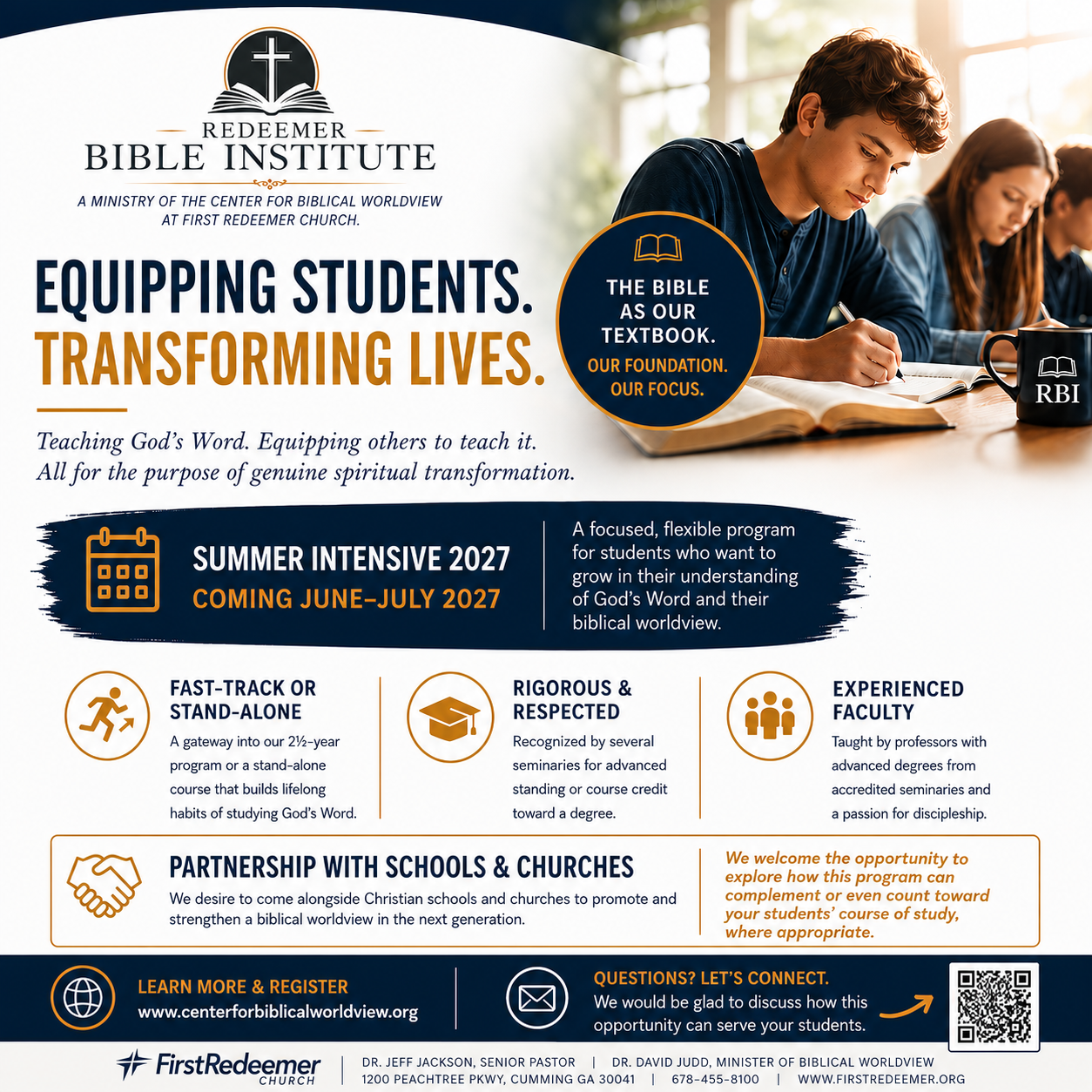
The Redeemer Bible Institute (RBI), in partnership with the Center for Biblical Worldview, equips believers to confidently study, interpret, and teach God's Word. Through courses in Bible interpretation, Old and New Testament surveys, doctrine, spiritual formation, and teaching methods, students develop a solid biblical foundation for lifelong ministry and discipleship.
Whether you're preparing to teach, serve in church leadership, or simply want to grow in your faith, structured Bible training can help you move beyond surface-level reading into confident, lifelong biblical literacy.
Take the Next Step in Understanding Scripture
Studying the Bible isn't reserved for pastors or theologians. Every believer is called to know God's Word, grow in spiritual maturity, and faithfully apply biblical truth.
If you're ready to deepen your understanding of Scripture and gain confidence in studying and teaching the Bible, explore
the courses offered through the
Redeemer Bible Institute. You'll receive biblically grounded instruction, practical training, and a clear framework for interpreting God's Word with confidence.
Discover how the Redeemer Bible Institute can help you grow in biblical knowledge, strengthen your faith, and equip you for a lifetime of ministry.
Frequently Asked Questions About Studying the Bible
What is the best way to study the Bible?
The best way to study the Bible is to read it in context, pray for understanding, observe what the passage says, interpret its original meaning, and apply its truth to your life. Using a study Bible and trusted biblical resources can also help deepen your understanding.
How should a beginner start studying the Bible?
A great place to start is with the Gospel of John or the book of Mark to learn about the life of Jesus. Read a small section each day, ask questions about the passage, and consider using a structured Bible study plan or course to build a strong foundation.
What is the difference between reading and studying the Bible?
Reading the Bible helps you become familiar with God's Word, while studying the Bible focuses on understanding the meaning, context, and application of Scripture. Bible study involves observation, interpretation, and practical application.
Why is understanding the historical context important?
The Bible was written over many centuries to different audiences in specific historical and cultural settings. Understanding the historical context helps you accurately interpret what the biblical authors intended and avoid taking verses out of context.
What tools can help me study the Bible?
Helpful Bible study tools include:
- A study Bible
- Bible dictionaries
- Bible concordances
- Bible maps
- Cross-reference guides
- Bible commentaries
- Bible study software such as Logos
These resources provide historical background and help explain difficult passages.
What is biblical interpretation?
Biblical interpretation, often called hermeneutics, is the process of discovering the original meaning of Scripture by considering its historical, literary, and theological context before applying it to everyday life.
Can anyone learn to study the Bible?
Absolutely. You do not need to be a pastor or theologian to study the Bible. With the right guidance and a willingness to learn, every believer can develop the skills to understand and apply God's Word with confidence.
What is biblical literacy?
Biblical literacy is the ability to understand the overall message of the Bible, recognize how its books fit together, and accurately interpret and apply Scripture. It helps believers develop a strong biblical worldview and confidently share their faith.
Why should I take a Bible study course?
A Bible study course provides structure, accountability, and expert instruction that can help you understand Scripture more deeply. It also gives you practical tools for interpreting the Bible accurately and applying its teachings to your life and ministry.
What will I learn at Redeemer Bible Institute?
Students at Redeemer Bible Institute learn how to interpret Scripture, study the Old and New Testaments, understand Christian doctrine, grow spiritually, and communicate biblical truth effectively. The program is designed to equip believers for personal spiritual growth, church leadership, discipleship, and teaching.
Do I have to be a pastor to attend Redeemer Bible Institute?
No. Redeemer Bible Institute is designed for pastors, church leaders, Bible teachers, and everyday believers who want to deepen their understanding of God's Word and grow in their ability to serve others.
Are Redeemer Bible Institute courses available online?
Yes. In addition to classes held in Cumming, Georgia, Redeemer Bible Institute offers flexible learning options, including live online courses, recorded classes, hybrid formats, intensive sessions, and regional in-person locations, making quality Bible training accessible wherever you live.