What Does the Bible Say?
Want to Learn More About the Bible?
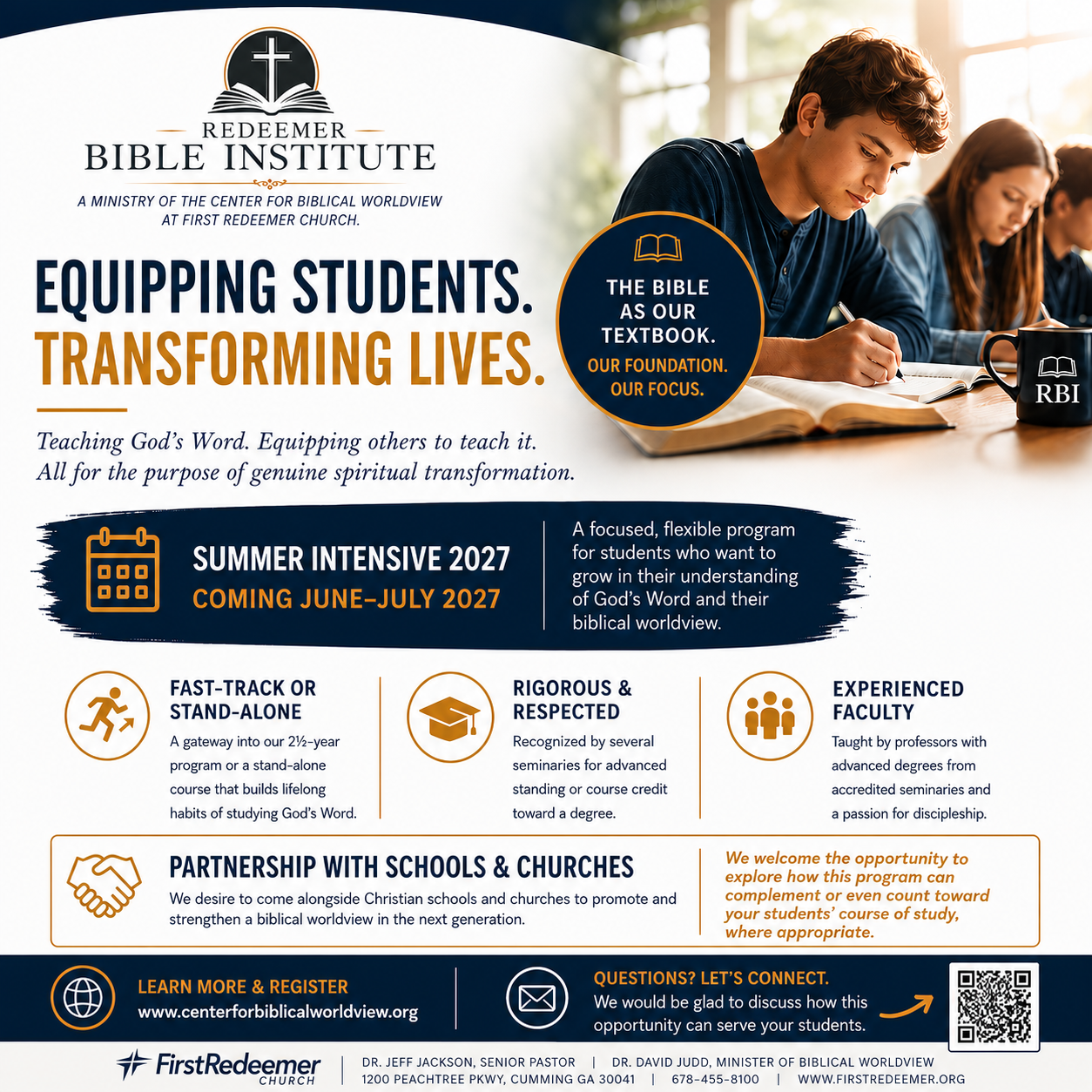
Join an upcoming cohort and take the next step in your study of Scripture. Whether you're looking to deepen your understanding of the Bible, prepare for ministry, or become a more effective Bible teacher, our cohorts provide biblically grounded instruction and practical tools to help you study, understand, and confidently share God's Word.

How Was the Bible Written?
The Bible was written under the inspiration of the Holy Spirit through human authors. Each writer brought his own personality, vocabulary, and historical perspective, yet God sovereignly guided the writing so that His message was communicated accurately.
Because Scripture was written over many centuries and in different cultural settings, understanding its historical background, literary style, and original audience helps us interpret it faithfully today.
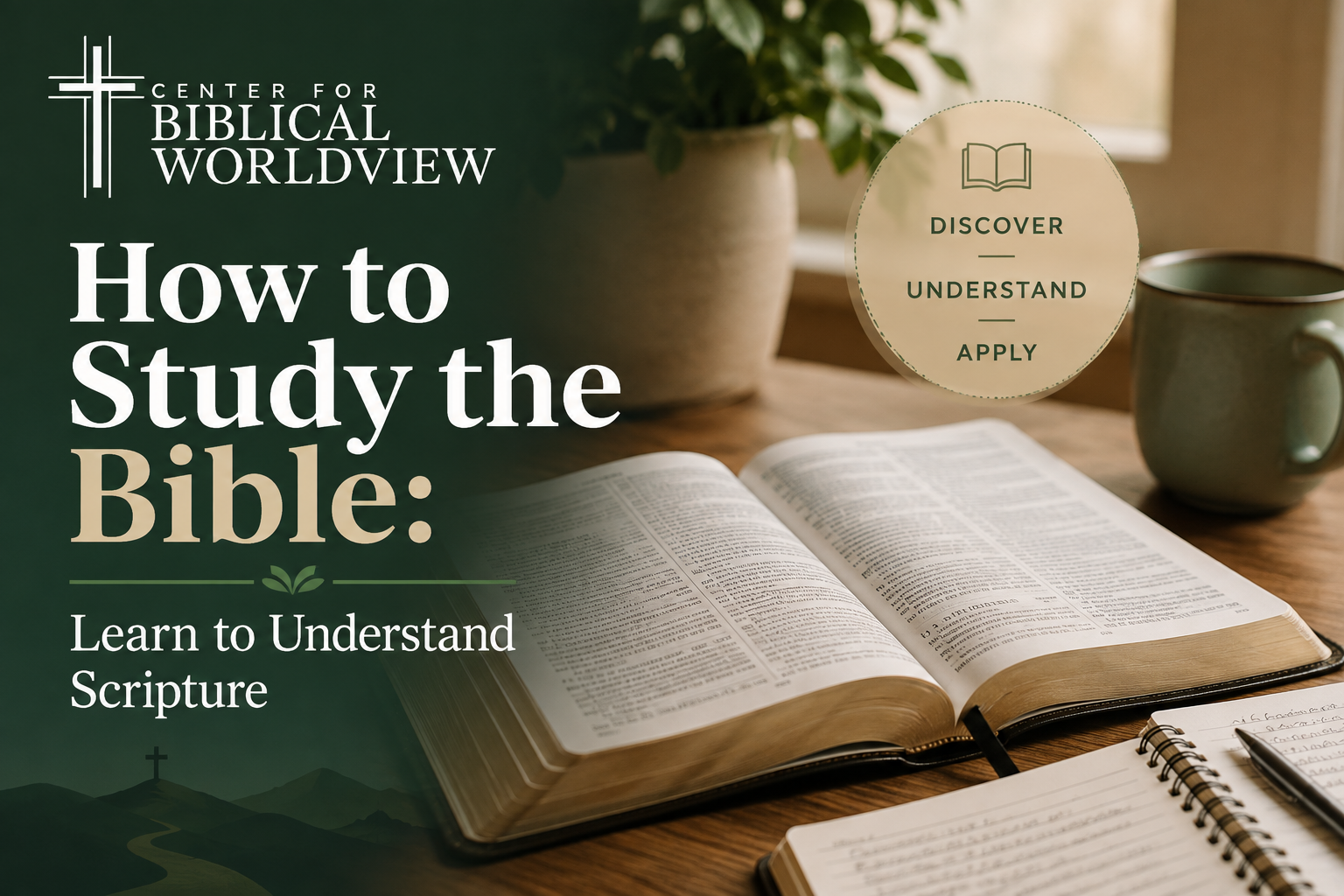
The Difference Between Reading and Studying the Bible
Reading the Bible and studying the Bible are both valuable, but they serve different purposes.
Reading helps you become familiar with Scripture and develop consistency.
Studying helps you understand what the passage actually means, why it was written, and how it applies to your life.
Bible study involves asking thoughtful questions, comparing passages, considering context, and carefully interpreting God's Word rather than simply reading through it quickly.
Helpful Tools for Bible Study
As you grow, several tools can make your study more effective:
- A quality study Bible
- Bible dictionaries
- Bible maps
- Concordances
- Original language resources
- Bible software
- Trusted commentaries
These resources provide historical background, explain difficult passages, and help connect themes throughout Scripture.
Take the Next Step in Understanding Scripture
Studying the Bible isn't reserved for pastors or theologians. Every believer is called to know God's Word, grow in spiritual maturity, and faithfully apply biblical truth.
If you're ready to deepen your understanding of Scripture and gain confidence in studying and teaching the Bible, explore
the courses offered through the
Redeemer Bible Institute. You'll receive biblically grounded instruction, practical training, and a clear framework for interpreting God's Word with confidence.
Discover how the Redeemer Bible Institute can help you grow in biblical knowledge, strengthen your faith, and equip you for a lifetime of ministry.
Why Structured Bible Training Makes Learning Easier
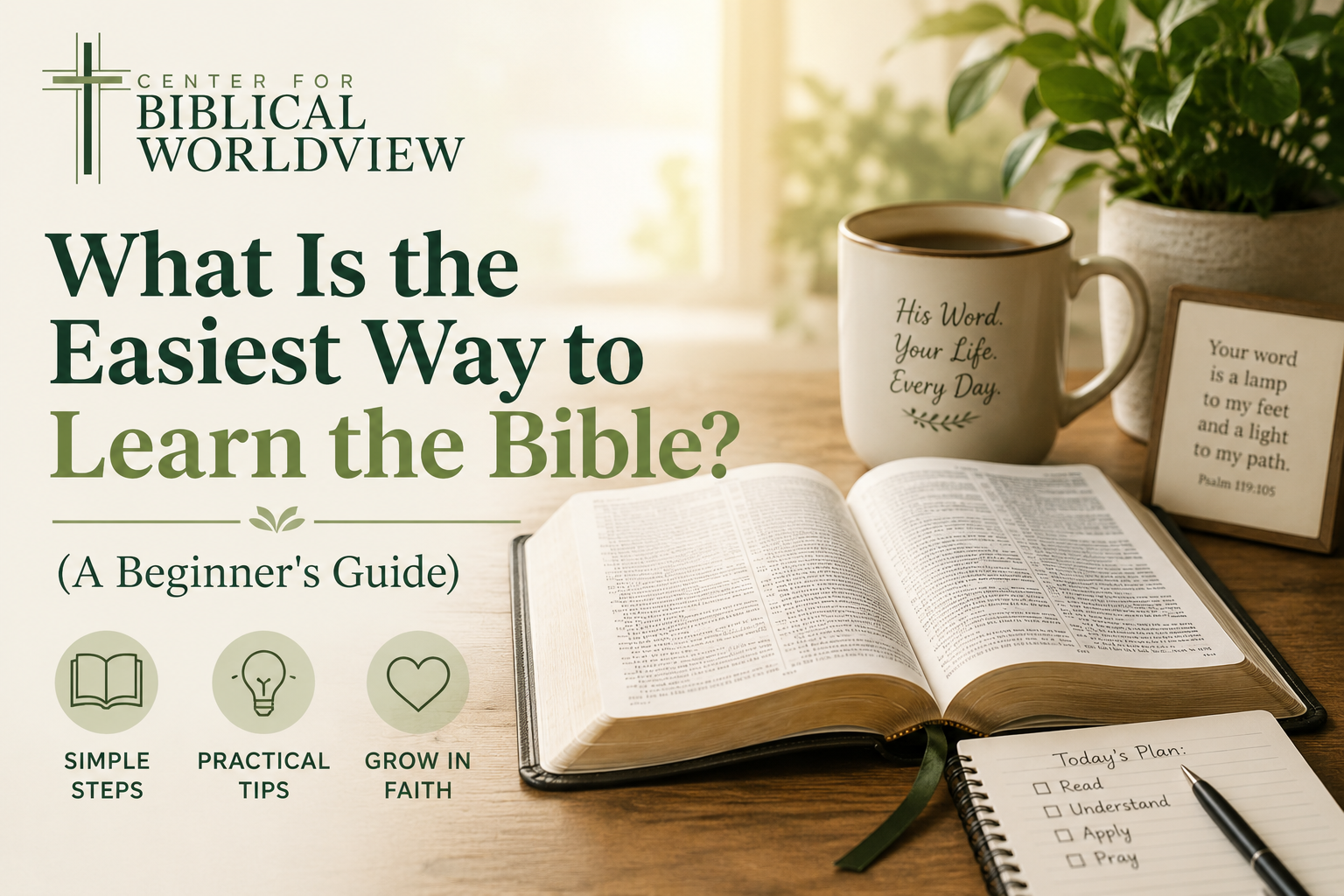
Many Christians try to learn the Bible on their own, but having a clear roadmap makes the process much easier.
A structured Bible training program walks you through Scripture in a logical order, helping you build knowledge one step at a time.
Rather than jumping randomly between topics, you'll develop a comprehensive understanding of God's Word.
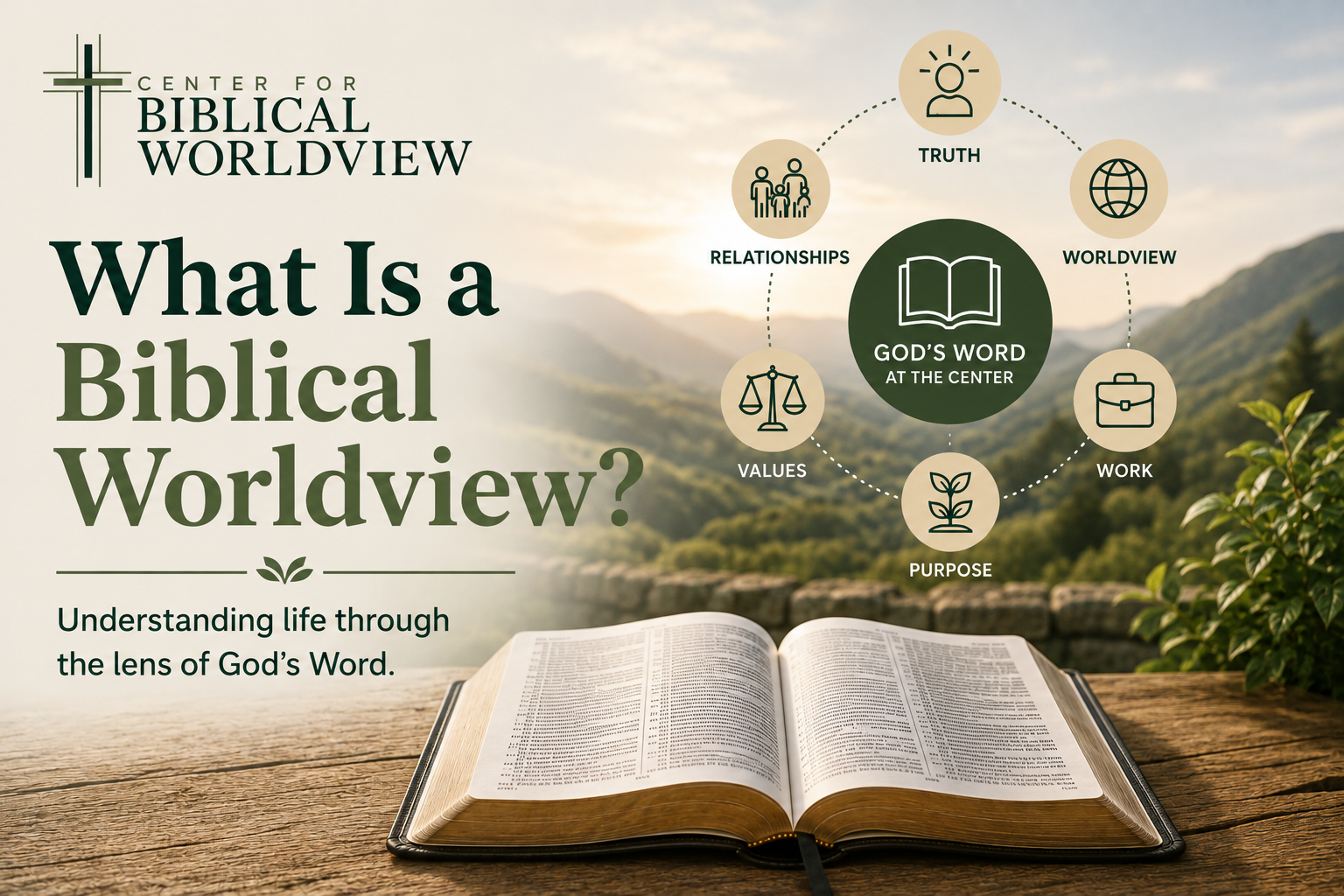
What Is a Biblical Worldview?
A biblical worldview is a framework for understanding reality based on the teachings of the Bible. Rather than asking, "What feels right?" or "What does culture say?" a believer with a biblical worldview asks,
"What does God's Word say?"
The Bible answers life's biggest questions:
- Who is God?
- Why were we created?
- What is truth?
- Why does evil exist?
- How should we live?
- What happens after death?
Instead of creating our own truth, a biblical worldview recognizes that God is the source of truth and that His Word provides the standard for faith, morality, and daily living.
As Christians grow in their understanding of Scripture, their worldview begins to reflect God's perspective rather than the world's.
How Churches Can Equip Members with a Biblical Worldview
Helping believers develop a biblical worldview is one of the Church's most important responsibilities.
Churches can strengthen their members by:
Prioritizing Biblical Teaching
Expository preaching and faithful Bible teaching help believers understand Scripture in context and apply it correctly.
Encouraging Systematic Bible Study
Studying the Bible book by book and learning core doctrines gives believers a stronger theological foundation.
Training Future Leaders
Churches need pastors, teachers, elders, and ministry leaders who understand Scripture and can faithfully communicate biblical truth.
Providing Discipleship Opportunities
Small groups, Bible studies, mentoring relationships, and structured training all help believers mature in their faith.
Addressing Today's Cultural Questions
Churches should equip believers to think biblically about current issues such as identity, marriage, family, ethics, technology, and culture by applying timeless biblical principles.
When churches intentionally develop biblical literacy, they prepare believers to stand firm in an increasingly secular world.
What Does the Bible Say? Finding Biblical Answers for Everyday Life.
Life gives us questions that do not always have simple answers.
Should a Christian get a tattoo? Is drinking alcohol a sin? What does the Bible teach about divorce and remarriage? How should we handle anxiety, difficult relationships, money, politics, technology, or grief? What happens after we die?
Sometimes Scripture gives us a direct command. Other times, the Bible gives us principles that require wisdom and careful application. And sometimes Christians who sincerely desire to honor God reach different conclusions about how a biblical principle should be applied.
At the Center for Biblical Worldview, we believe the best place to begin is with a simple question:
What has God said?
That is the purpose of our “What Does the Bible Say?” series. We will examine questions Christians encounter in everyday life and consider what Scripture actually teaches—not simply what culture, tradition, social media, or popular opinion tells us to believe.
Our goal isn't merely to provide an answer. We want to help Christians learn how to think biblically, so they can approach both today's questions and tomorrow's challenges with greater confidence in God's Word.
“Your word is a lamp to my feet and a light to my path.” — Psalm 119:105
What Does It Mean to Think Biblically?
Having a biblical worldview does not mean finding a Bible verse that supports an opinion we have already formed.
It means allowing Scripture to form the opinion in the first place.
Paul writes:
“Do not be conformed to this world, but be transformed by the renewal of your mind.” — Romans 12:2
Every culture has assumptions about what is good, true, moral, valuable, and meaningful. We absorb many of those ideas without even realizing it.
Christians are called to something different.
Rather than beginning with “What does everyone else think?” we begin with “What does God's Word teach?”
That doesn't mean the Bible contains a verse explicitly addressing every modern situation. You will not find verses mentioning social media, artificial intelligence, or many other realities of twenty-first-century life.
But Scripture gives us something deeper:
truths and principles that help us evaluate every area of life.
Does the Bible Answer Every Question Directly?
No—and recognizing this is important to interpreting Scripture faithfully.
Consider a question such as “What does the Bible say about cremation?”
The Bible describes burial and contains examples of bodies being burned, but it never gives Christians a direct command saying they must be buried or cannot be cremated.
That means we should not present our personal preference as a biblical command.
Instead, we examine everything Scripture says that relates to the issue and ask what biblical principles should guide our decision.
Our article on cremation, for example, considers biblical burial practices, the dignity of the human body, death, resurrection, and the Christian's eternal hope.
This approach matters for the entire series.
Some questions have clear biblical commands. Others require us to bring several biblical truths together. Still others involve matters on which faithful Christians may exercise wisdom and conscience differently.
We want to be clear about the difference.
Start With Scripture, Not Culture
When controversial questions arise, there is enormous pressure to begin somewhere other than Scripture.
We may begin with our political beliefs.
Our experiences.
Our emotions.
Our family traditions.
Our church background.
What we saw on social media.
Or what seems normal in the culture around us.
A biblical worldview reverses that process.
Jesus prayed:
“Sanctify them in the truth; your word is truth.” — John 17:17
If God's Word is true, Scripture must have the authority to challenge us—not simply confirm us.
Sometimes biblical truth will affirm something we already believe.
Other times, it may confront our assumptions.
The goal isn't to make the Bible agree with us.
The goal is to bring our thinking into agreement with God's Word.
What Does the Bible Say About Relationships and Family?
Some of life's most important—and most difficult—questions involve the people closest to us.
Scripture has much to say about marriage, singleness, sexuality, parenting, forgiveness, and relationships.
Throughout this series, we'll explore questions such as:
What Does the Bible Say About Marriage?
What Does the Bible Say About Divorce?
What Does the Bible Say About Remarriage After Divorce?
What Does the Bible Say About Dating?
What Does the Bible Say About Living Together Before Marriage?
What Does the Bible Say About Sex Before Marriage?
What Does the Bible Say About Homosexuality?
What Does the Bible Say About Being Single?
What Does the Bible Say About Parenting?
What Does the Bible Say About Disciplining Children?
What Does the Bible Say About Caring for Aging Parents?
We will also examine questions that can be more difficult to categorize, such as setting boundaries, toxic relationships, cutting people out of your life, and forgiving someone who has hurt you.
The goal is not simply to label behavior right or wrong. We want to understand God's design for relationships and then ask how that truth should shape the way Christians actually live.
What Does the Bible Say About Money and Work?
Faith is not limited to what happens at church on Sunday.
How we earn, spend, save, give, and use our resources is also part of Christian discipleship.
Jesus frequently spoke about money, possessions, generosity, and the heart. Scripture also has much to teach us about work, responsibility, contentment, and caring for others.
Future articles will examine questions including:
What Does the Bible Say About Money?
What Does the Bible Say About Debt?
What Does the Bible Say About Tithing?
What Does the Bible Say About Saving Money?
What Does the Bible Say About Wealth and Being Rich?
What Does the Bible Say About Work?
What Does the Bible Say About Retirement?
What Does the Bible Say About Helping the Poor?
What Does the Bible Say About Gambling?
Jesus taught:
“For where your treasure is, there your heart will be also.” — Matthew 6:21
A biblical worldview asks not only
“What am I allowed to do with my money?” but also
“What does the way I use my money reveal about what I value?”
What Does the Bible Say About Our Thoughts, Emotions, and Behavior?
Everyday Christian living also involves what happens within us.
What should we do with anger? How do we respond when someone hurts us? What does Scripture teach about worry, sadness, pride, jealousy, failure, or forgiveness?
We'll examine topics such as anxiety and worry, depression and sadness, forgiveness, anger, revenge, jealousy, pride, self-esteem, success, failure, gossip, lying, and the words we use.
Philippians encourages believers:
“Whatever is true, whatever is honorable, whatever is just, whatever is pure, whatever is lovely, whatever is commendable…think about these things.” — Philippians 4:8
Biblical truth does not mean Christians never experience difficult emotions. Scripture itself records grief, fear, loneliness, anger, disappointment, and deep sorrow.
Instead, God's Word teaches us how to understand those experiences and respond faithfully in the middle of them.
What Does the Bible Say About Culture and Technology?
Some questions facing Christians today involve technologies and cultural circumstances that did not exist when the biblical books were written.
What does Scripture say about artificial intelligence or social media when neither term appears in the Bible?
We begin with biblical principles.
What does Scripture teach about truth? Wisdom? Human dignity? Creativity? Work? Temptation?
Stewardship? Relationships? The words we communicate? How we use our time?
Those truths help Christians evaluate new technologies without needing a verse that names every invention.
This series will eventually consider subjects including artificial intelligence, social media, pornography, science, caring for creation, and other areas where biblical truth intersects with modern life.
Technology changes rapidly.
Biblical truth does not.
What Does the Bible Say About Government and Society?
Christians also have questions about their responsibilities beyond their homes and churches.
What does Scripture teach about government? Should Christians participate in politics? How should biblical principles influence the way believers think about justice, war, immigration, poverty, abortion, and other significant moral questions?
We'll explore topics including politics, voting, government, immigration, war, the death penalty, abortion, euthanasia, racism, justice, gender, and caring for creation.
These are areas where conversations can quickly become partisan or hostile.
Our purpose is different.
We want to ask what Scripture teaches first and then consider how Christians can apply those truths faithfully and graciously.
“Let every person be quick to hear, slow to speak, slow to anger.” — James 1:19
Biblical conviction and Christian graciousness should not be enemies.
What Does the Bible Say About Death and Eternity?
Few questions are more important than those concerning death and what comes afterward.
What happens when we die? What are heaven and hell? What does the Bible teach about angels and demons? What about ghosts, psychics, mediums, or astrology?
We'll explore questions including death, grief, heaven, hell, what happens after death, angels, demons, ghosts, astrology and zodiac signs, psychics and mediums, and other spiritual questions.
These subjects often contain a mixture of biblical ideas, cultural traditions, entertainment, personal experiences, and speculation.
Our goal will be to distinguish among them and ask:
What does Scripture actually say?
Some Questions Require Grace and Wisdom
Not every question has an equally simple answer.
Scripture gives clear moral teaching about many subjects. On other matters, Christians must exercise biblical wisdom and conscience.
Romans 14 provides an important model for handling certain disagreements among believers:
“Each one should be fully convinced in his own mind.” — Romans 14:5
This does not mean truth is relative or that anything can become acceptable if we sincerely believe it.
It means we should be careful not to create commands where God has not given them.
Where Scripture speaks clearly, Christians should speak clearly.
Where Scripture leaves room for wisdom and conscience,
we should be equally careful to leave that room.
How to Ask, “What Does the Bible Say?”
As you explore these questions with us, there are several habits that can help you develop a stronger biblical worldview.
First, read Scripture in context. A single verse removed from its chapter, book, or historical setting can easily be misunderstood.
Second, look at the whole counsel of Scripture. Our beliefs should not be built around one isolated verse while ignoring everything else the Bible teaches about a subject.
Third, distinguish between description and command. Something happening in the Bible does not necessarily mean God is telling us to do the same thing.
Fourth, consider how the Old and New Testaments fit together. The Bible tells one unified story culminating in Jesus Christ.
And finally, move from understanding to application.
James writes:
“But be doers of the word, and not hearers only.” — James 1:22
The purpose of studying Scripture isn't merely to know more.
It is to know God more deeply and allow His truth to transform how we live.
Biblical Answers for Everyday Life
There will always be another question.
Cultures change. Technology develops. New ethical challenges emerge. Circumstances we never anticipated enter our lives.
That is why developing a biblical worldview is more valuable than simply memorizing answers to a list of questions.
We want Christians to become increasingly comfortable opening Scripture and asking:
What does the Bible actually say?
What does this passage mean in context?
What biblical principles apply to this situation?
How should this truth change the way I think?
And what would it look like to live faithfully because of it?
That is what our “What Does the Bible Say?” series is designed to help you do.
As new articles are published, this page will serve as a growing resource for finding thoughtful, practical, and biblically grounded answers to the questions Christians encounter in everyday life.
Because ultimately, a biblical worldview isn't simply knowing what the Bible says.
It's learning to see all of life through the truth God has revealed in His Word.
Explore the “What Does the Bible Say?” Series
Life & Personal Decisions
Cremation • Tattoos • Drinking Alcohol • Gambling • Work • Retirement • Success • Failure
Marriage, Family & Relationships
Marriage • Divorce • Remarriage • Dating • Living Together Before Marriage • Sex Before Marriage • Homosexuality • Being Single • Parenting • Disciplining Children • Caring for Aging Parents • Forgiveness • Toxic Relationships • Setting Boundaries
Money & Stewardship
Money • Debt • Tithing • Saving Money • Wealth • Helping the Poor
Emotions & Christian Character
Anxiety and Worry • Depression and Sadness • Anger • Revenge • Jealousy • Pride • Self-Esteem • Gossip • Lying • Cursing and Bad Language
Culture, Ethics & Technology
Politics • Voting • Government • Immigration • War • Death Penalty • Abortion • Euthanasia • Gender • Racism • Justice • Caring for Creation • Artificial Intelligence • Social Media • Pornography • Science
Death, Eternity & the Spiritual World
Grief • Death • What Happens After We Die? • Heaven • Hell • Suicide • Ghosts • Angels • Demons • Astrology and Zodiac Signs • Psychics and Mediums
Faith & Culture
Yoga • Halloween • Santa Claus and Christmas • Dinosaurs
As each article is published, these topics can become internal links, turning this page into the main hub for the entire series.
Take the Next Step in Understanding Scripture
If you're ready to deepen your understanding of Scripture and grow in your ability to apply biblical truth to everyday life,
explore the courses offered through the
Redeemer Bible Institute. You'll receive biblically grounded instruction, practical training, and a clear framework for understanding God's Word and living faithfully according to its truth.
Discover how the Redeemer Bible Institute can help you grow in biblical knowledge, strengthen your faith, and equip you for a lifetime of ministry.
Recent Posts